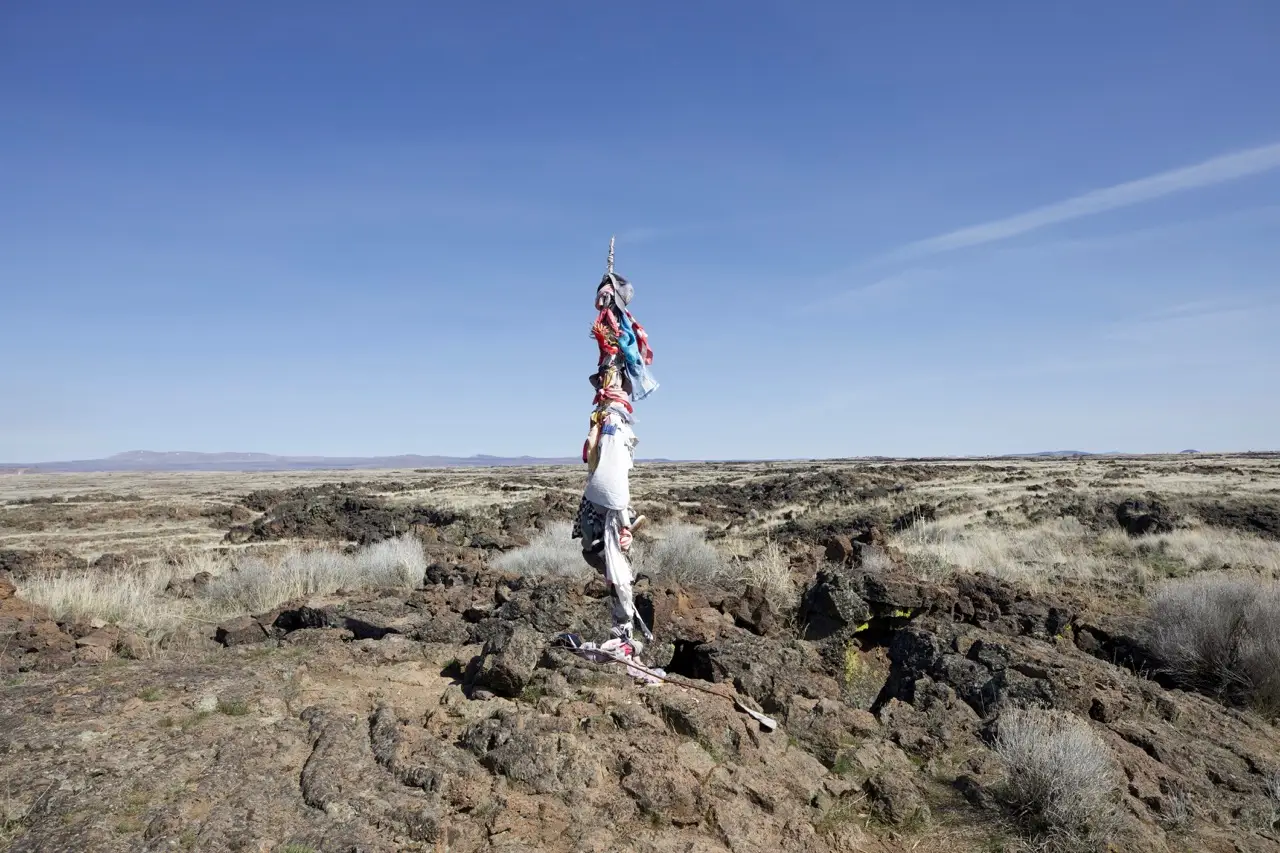
The Extrodinary tale of Kemush, the Creator of the World, and the captivating narrative of creation itself. Transcending generations after the Ancestors of the Modoc people carved symbols into the soft volcanic rock of Petroglyph Point.
According to Modoc legend, it was Kemush that created the first beings. They lived in this world before the creation of humans. Kemush traveled to the underground world, where he selected by hand, the spirits that would make up each of the tribes.
The Spirit Guides
These spirit guides included that of the Frog, Rattlesnake, Mole, Fish, Hawk and Coyote. When Kemush went away, the spirit guides held a counsel that lasted for five years. They made the night and decided that it should be followed by morning. They put the moon and the sun in the sky and they decided the length of the seasons.
The Tribes
Kemush returned from the underground world to make something very special. He took spirits and placed them in a basket on his back. He returned to the land above. These spirits took the form of bones and he scattered the bones in different directions. He named them in the kind of people they would be: the Shasta Tribe, the Warm Springs Tribe, and the Klamath.
“You will eat what I eat. You will keep my place when I’m gone. You will be bravest of all. Though you may be few, even if many people come against you, you will defeat them. Be well my people and prosper.
This is your home. This is where you were created.”
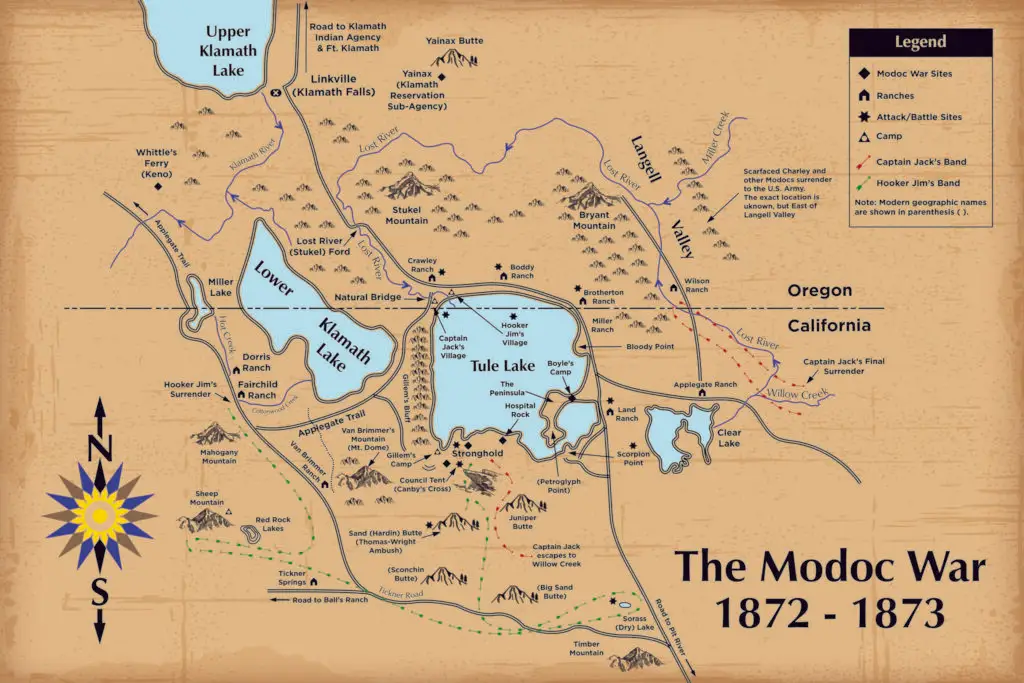
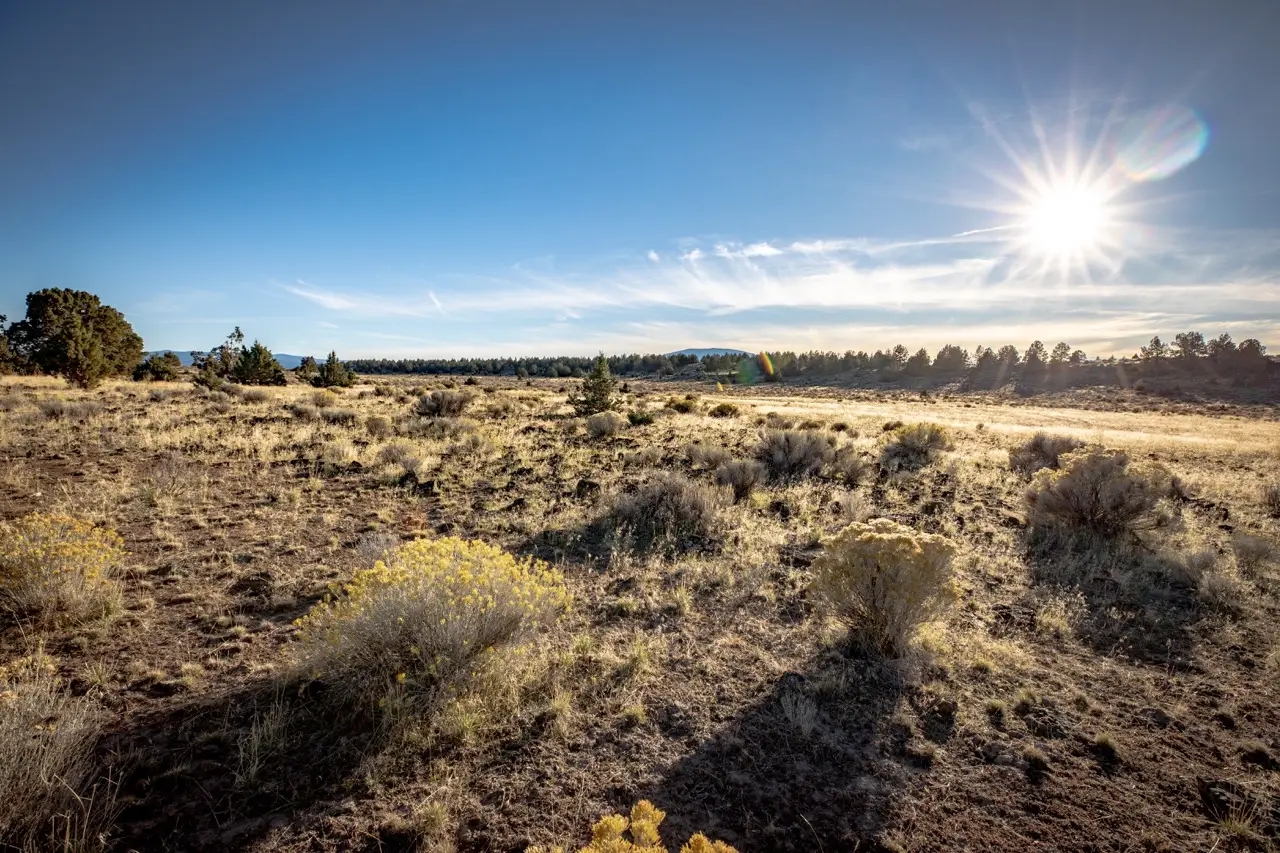
The ancestral home of the Modoc Nation, or Captain Jack’s Band of Modoc Indians, consisted of over 5,000 square miles along what is now the California-Oregon border. On the west loomed the perennially snow-capped peaks of the majestic Cascade Mountains; to the east was a barren wasteland of alkali flats scaling to the peaks of the Warner Mountains in the Sierra-Nevada range; towering forests of Ponderosa pines and shores of majestic bodies of water and rivers were to the north while the Lava Beds, now a National Monument, and the Medicine Lake volcano range to Mount Shasta formed their southern boundary.
Modoc War - 1872-1873
When the Modoc War began, the Modoc warriors with their wives and children retreated to the nearby Lava Beds. The War was fought nearly 150 years ago, yet it stands out in American military history as the most incredible of Indian wars. Captain Jack did not muster more than 60 men throughout the War, but for almost eight months he withstood the United States Armed Forces that came to number over a 1,000 men supported by mountain howitzers and coehorn mortars. The Modoc lost only six men by direct combat while the U.S. Army suffered 45 dead including General E.R.S. Canby, the only U.S. General to lose his life in an Indian War. The Modoc War cost the United States government, at its lowest estimate, of the time half a million dollars; that would be roughly $8,500,000 in today’s currency. Considering the number of the enemy, it was probably the costliest Indian war ever fought. In comparison, the reservation requested by the Modoc on Lost River would have cost, at most, $10,000 or $180,000 in today’s currency.
Modoc Nation, in recent years, has undertaken efforts to purchase land in northeast California and secure recognition by the state as a California Tribe. This supports Modoc Nation’s desire to reconnect with its Homelands and re-establish itself as a steward of the land. These efforts have resulted in the purchase of more than 5,000 acres in our ancestral homelands.
Caring for the Lands Our Ancestors Were Created to Steward
Restoring our homelands through tradition, stewardship, and partnerships
We are reclaiming and restoring Modoc nomelands once damaged by neglect. What we saw as a cleanup operation has evolved into a comprehensive effort to heal and renew the land.
We are reclaiming and restoring Modoc nomelands once damaged by neglect. What we saw as a cleanup operation has evolved into a comprehensive effort to heal and renew the land.
Illegal dumping removed
Hazardous materials recycled
Wood debris safely burned
Land stabilized tor restoration
Returning What Was Never Lost
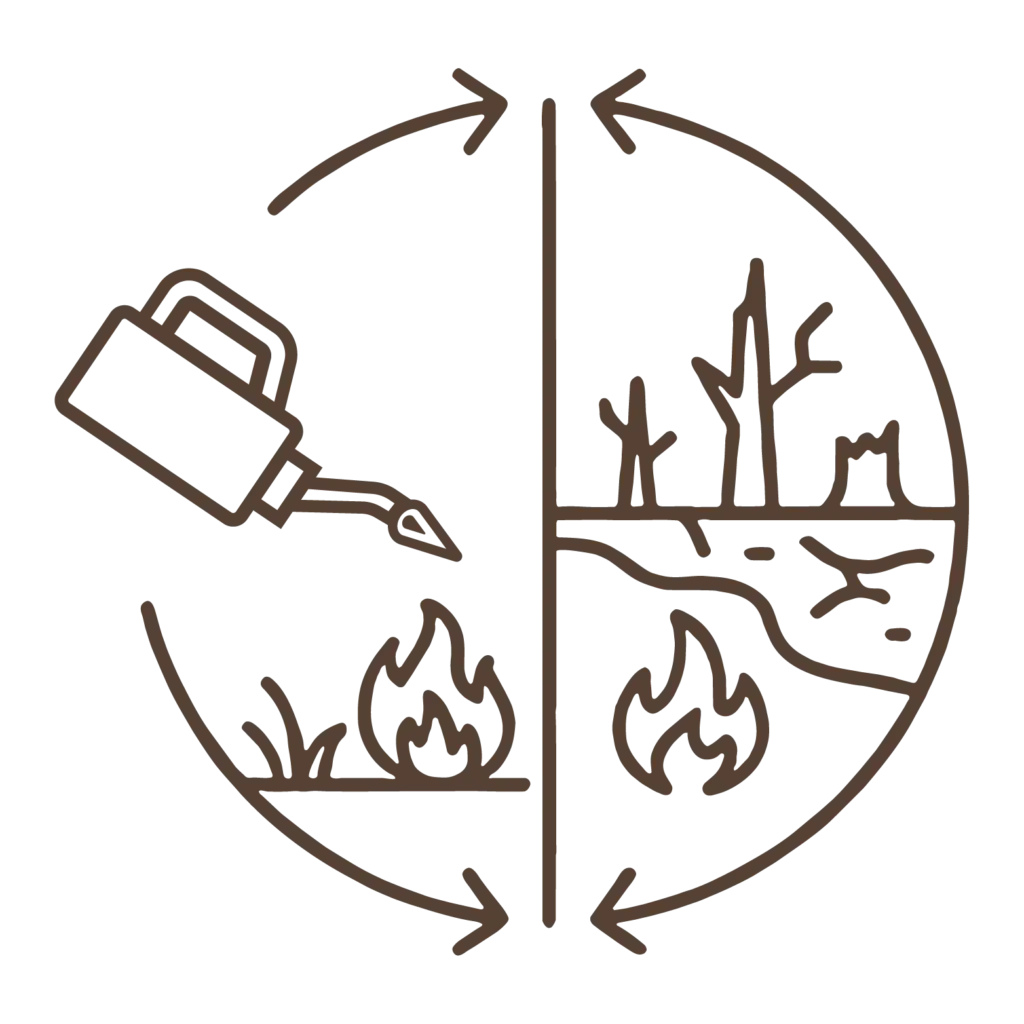
We are guided by the traditional knowledge of our ancestors, passed down through generations. Sustainable land practices like rational grazing and cultural burning have always been part of who we are
History Held in the Land
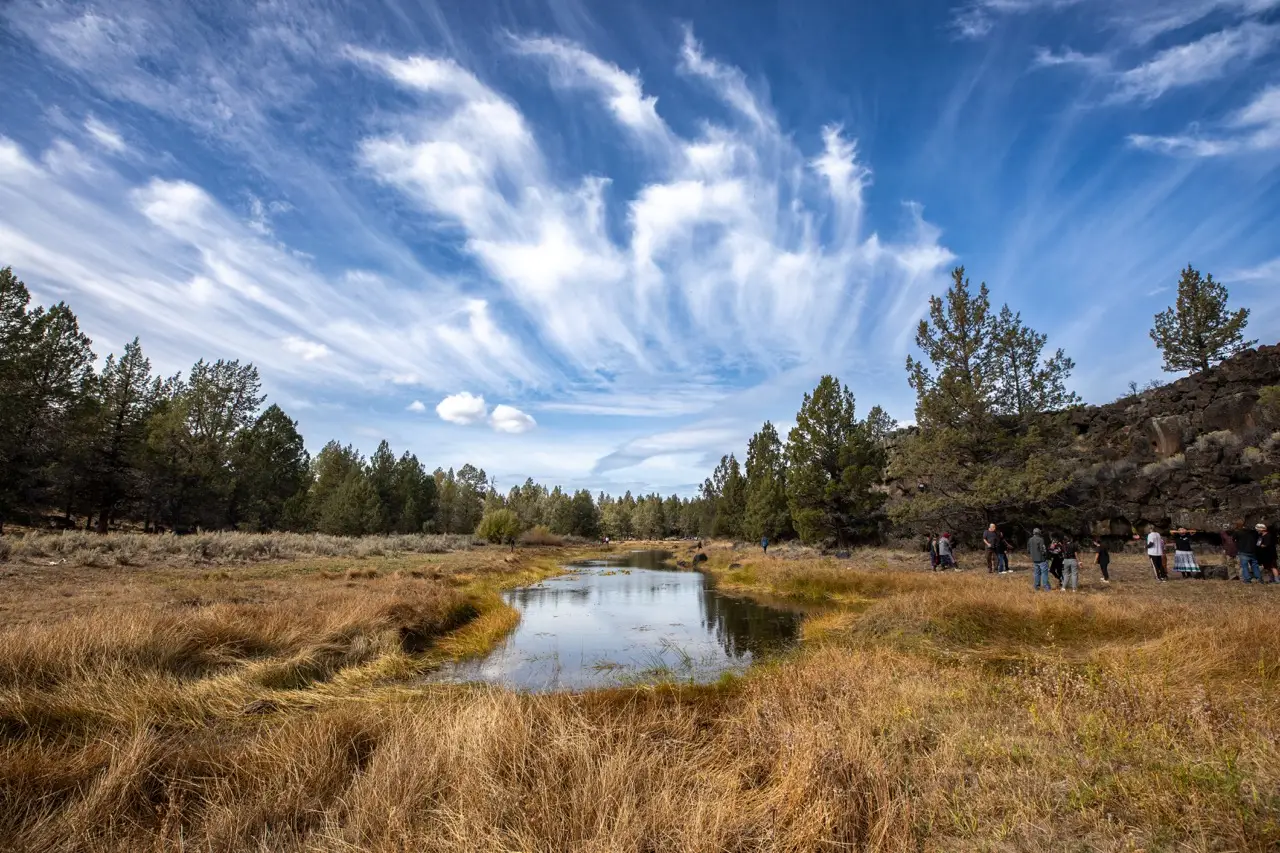
Our homelands hold the stories of our ancestors. We carry forward that wisdom, honoring the past to restore the present and protect the future.
Wells Repaired
Irrigation Restored
Soil Productivity Improved
Food Sovereignty Planning
Stewardship in Action
Our Homelands hold the stories of our ancestors. We carry forward the wisdom, honoring the past to restore the present and to protect the future.
Boundary Surveys
Wildlife-Friendly Fencing
Regenerative Grazing
Cultural & Prescribed Fire
Weed & Soil Management
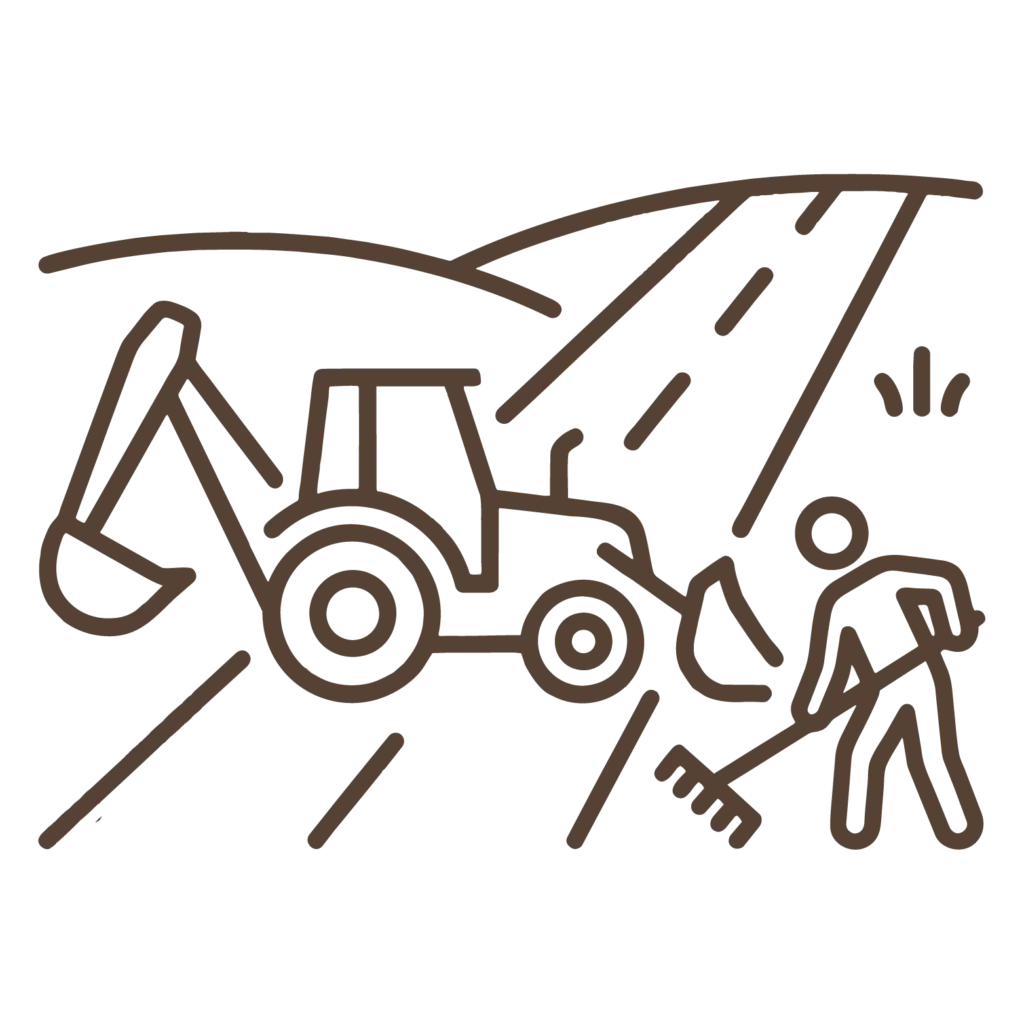
Infrastructure Repair
Culture Lives on the Land
Our Homelands hold the stories of our ancestors. We carry forward the wisdom, honoring the past to restore the present and to protect the future.
Youth Education
Ancestral Runs
Village Sites
This Work Is Ongoing
Stewardship is a lasting commitment. We will continue to care for our homelands today, tomorrow, and for generations to come.